Our weavers
A portion of every sale goes back to the rural weaving and artisan communities our pieces come from. We work with family looms and small workshops directly, pay them fairly and promptly, and put something back into the villages that keep these crafts alive.
Nine regions
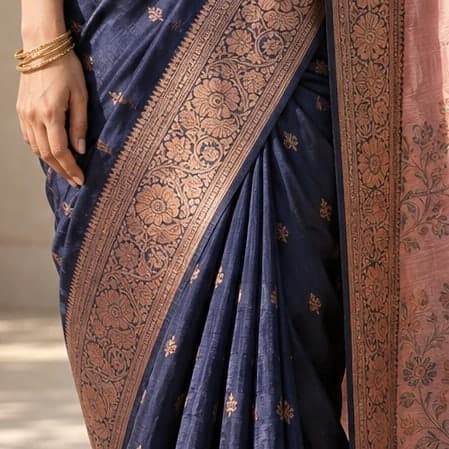
Varanasi · Uttar Pradesh
In the lanes of Madanpura and Lallapura, pit looms sit below floor level so the weaver's feet work the treadles while the hands throw the shuttle. Kadhwa, the slowest Benarasi technique, weaves every motif separately: a hand's width of cloth a day.
Typically three to five weeks for a saree.
Pieces from Varanasi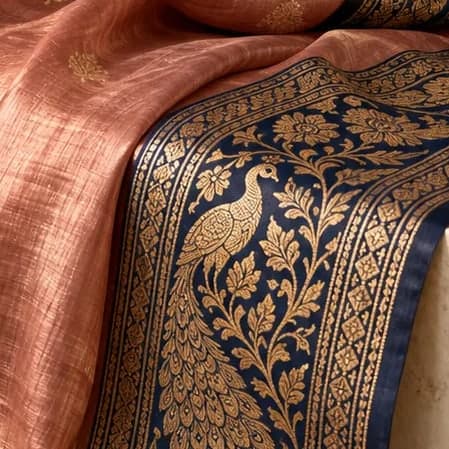
Kanchipuram · Tamil Nadu
Kanjivaram silk is heavy, lustrous and built to be inherited. The korvai border takes a second weaver at the loom's edge, interlocking the contrast border thread by thread. Temple borders, checks and the pallu's gopuram triangles are its grammar.
Typically two to three weeks for a saree.
Pieces from Kanchipuram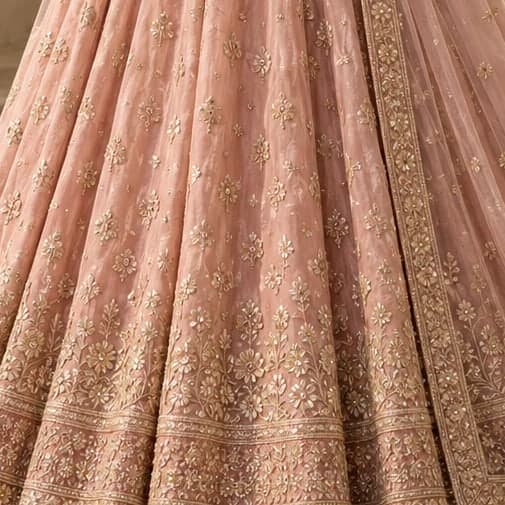
Chanderi · Madhya Pradesh
Chanderi's fame is its transparency: a silk warp with a fine cotton weft gives a cloth that floats. The buti, small flowers and coins, are inlaid by hand with separate needles, each one a decision.
Typically ten days to three weeks.
Pieces from Chanderi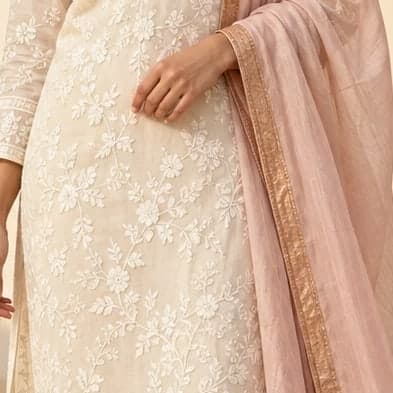
Pochampally · Telangana
In ikat the design is dyed into the threads before the loom is touched. Bundles are tied and dipped, tied again and dipped again, and only when the cloth is woven does the chevron appear, edges softly blurred where the dye bled.
Typically two to four weeks.
Pieces from Pochampally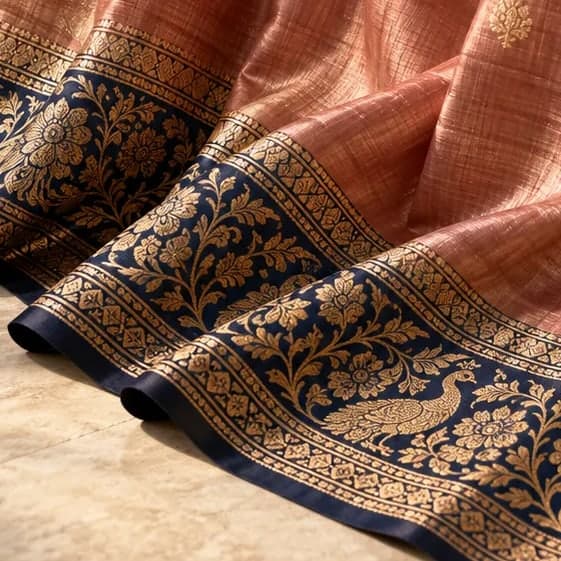
Kutch · Gujarat
Bandhani is patience made visible. Women in Bhuj and Mandvi pinch and tie the cloth with thread, thousands of times, before it is dyed. Untied, each knot leaves a small white sun. The crinkle is left in; it is the signature.
Typically three to six weeks for a dupatta.
Pieces from Kutch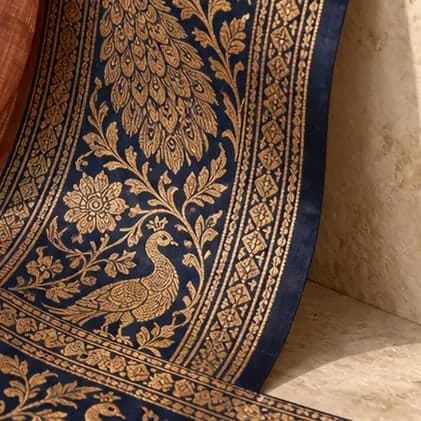
Patan · Gujarat
A Patan patola is the rarest weave in India. Warp and weft are both tie-dyed to the pattern, then aligned thread by thread on the loom so the diamonds, elephants and parrots meet exactly. A single saree can take a family most of a year.
Typically six to nine months for a saree.
Pieces from Patan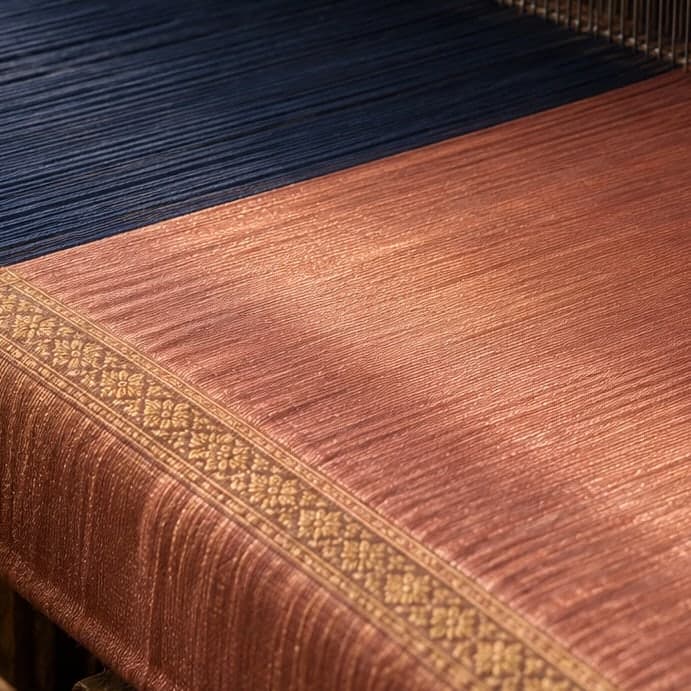
Bhagalpur · Bihar
Bhagalpur's tussar comes from silkworms that feed on forest trees, not mulberry. The thread is uneven, warm and golden, and takes dye in deep, slightly smoky tones. It is the silk for everyday luxury.
Typically one to two weeks.
Pieces from Bhagalpur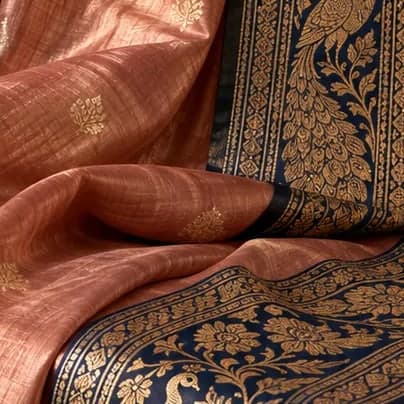
Paithan · Maharashtra
Paithani is a tapestry technique: the pallu's peacocks, vines and lotuses are woven with individual colored wefts, interlocked by hand. Hold it to the light and both sides are finished.
Typically one to three months.
Pieces from PaithanJaipur · Rajasthan
Jaipur's karigars set polki, uncut diamonds, in gold using kundan, a technique of pressing pure gold foil around each stone by hand. The reverse is enamelled, meenakari, so the piece is finished on the side only the wearer sees.
Typically four to eight weeks for a collar.
Pieces from JaipurQuestions people ask
A portion of every sale supports the rural weavers and artisans who make our pieces.
Shop the collectionsA portion of every sale goes back to the rural weaving and artisan communities our pieces come from. We work with family looms and small workshops directly, pay them fairly and promptly, and put something back into the villages that keep these crafts alive.
The weaving and artisan groups we work with tell us what they need most, from lamps above the looms to school fees, and we share what happens in the journal.
Yes. We buy directly, pay for materials up front and pay for finished pieces promptly at a rate the weavers set. The support is on top of that, not instead of it.
Every handwoven piece comes with a certificate of authenticity naming its craft and the region it was woven in. Turn the piece over: handloom zari shows its floats on the reverse, and a korvai border is interlocked thread by thread rather than printed. If you ever have a doubt about a piece, write to us and we will make it right.
Two pieces, until their own shoot, are shown with photographs from The Metropolitan Museum of Art, Open Access (public domain).